Independent piercing guides
Every piercing. Explained.
Pain, healing time, cost, aftercare and the right starter jewelry for 56 piercings, side by side.

Independent
We don’t run a studio or sell jewelry.
Materials explained
Implant-grade titanium, niobium, solid gold.
Aftercare, evidenced
Cited professional guidance, not folklore.
Every placement compared
56 piercings on the same pain scale.
Explore
Piercing categories
Start with where you want it. Each category compares every placement on pain, healing time and cost, and names the jewelry to start in.
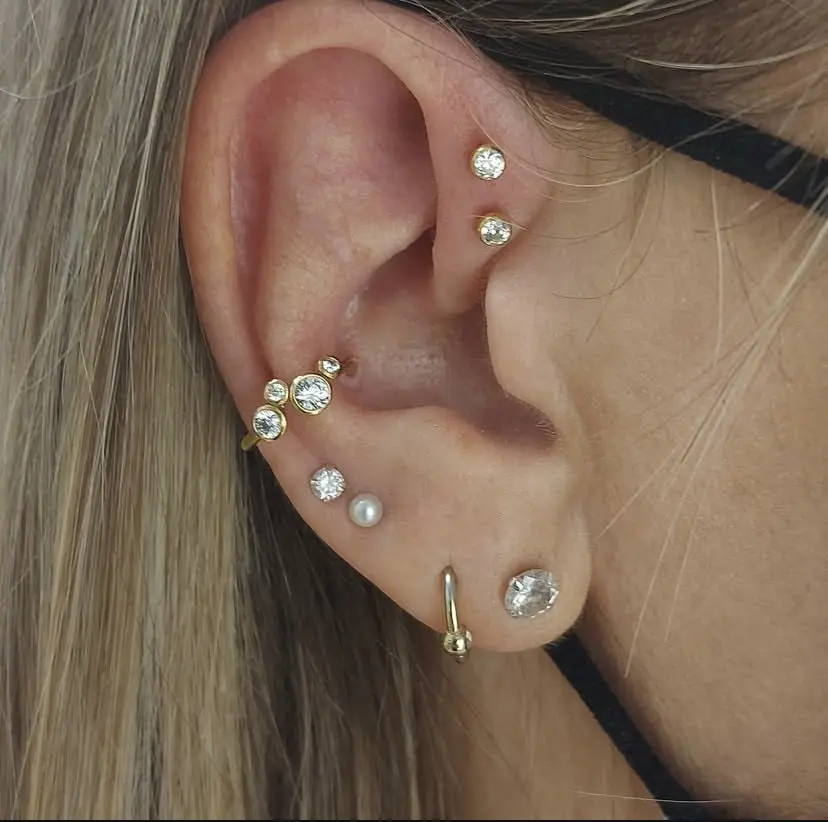
Ear piercings
Lobe to helix, conch, daith, tragus and rook.18 placements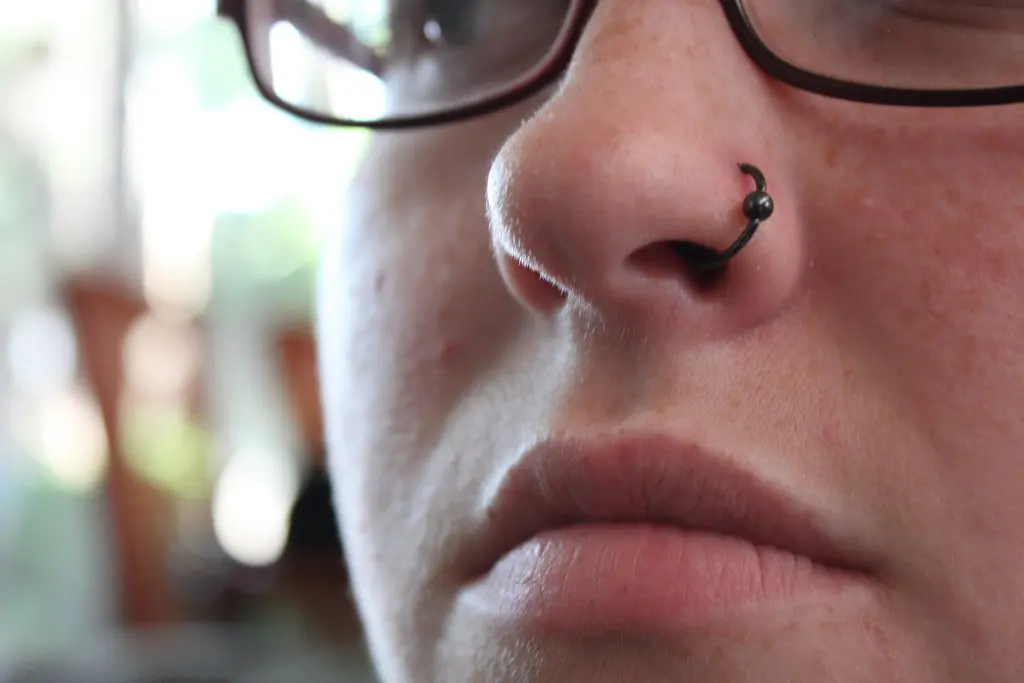
Nose piercings
Nostril, septum, bridge, high nostril and more.9 placements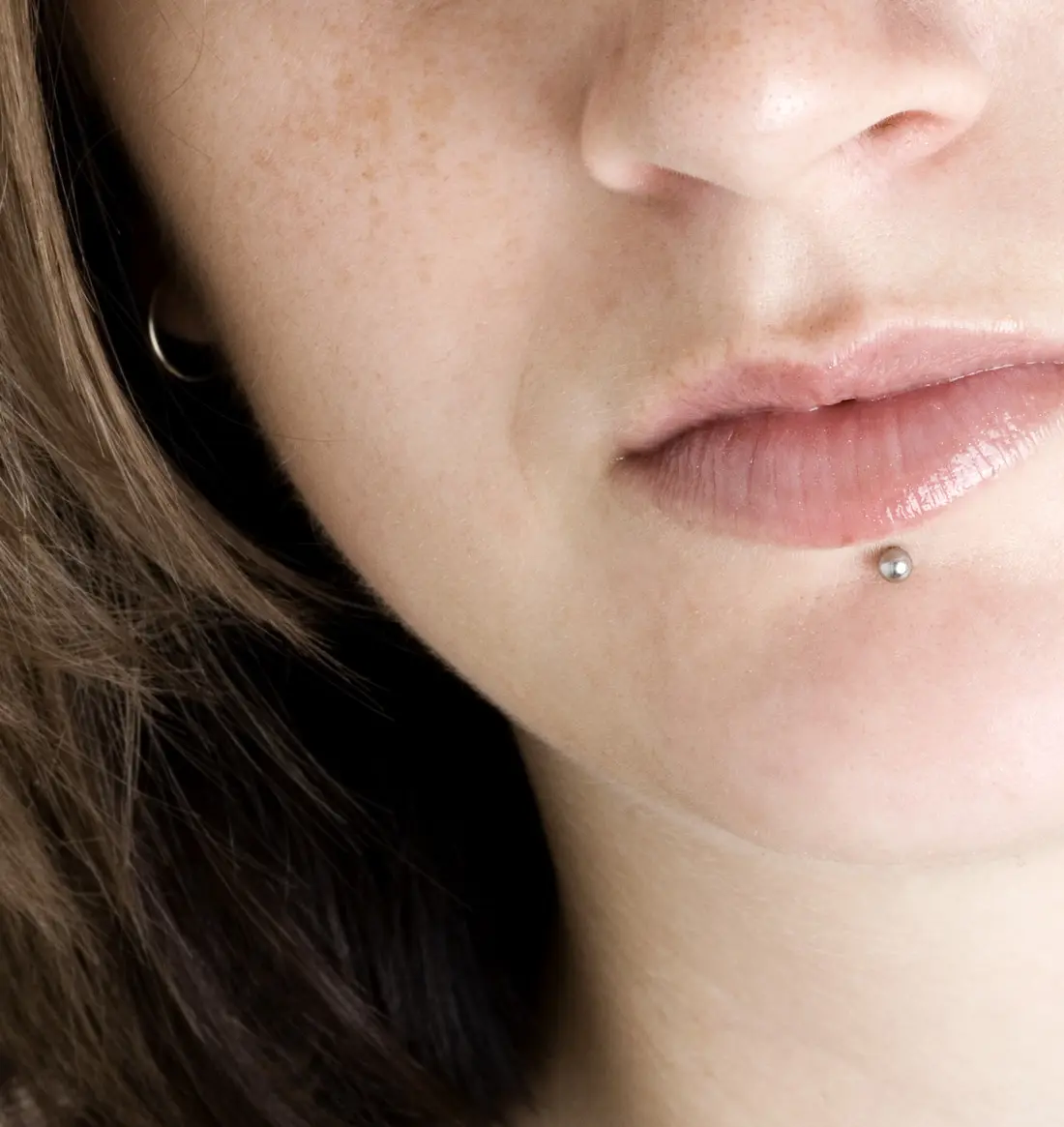
Face & lip piercings
Eyebrow, labret, medusa, snake bites, dermals.16 placements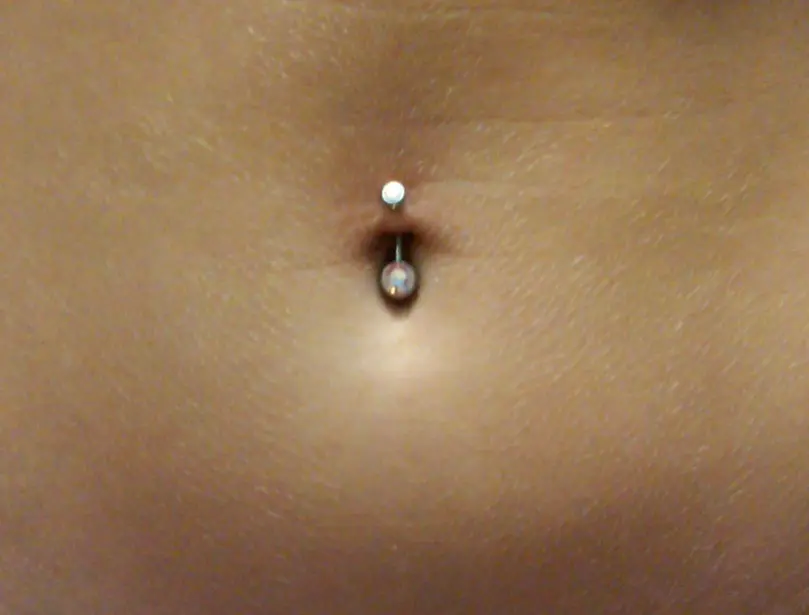
Body piercings
Belly button, nipple, surface and dermal piercings.8 placements


Also in the guide: Oral piercingsIntimate piercings
Ear piercing chart
Ear placement explorer
Where an ear piercing sits decides how much it hurts, how long it takes to heal and which jewelry it can take. These are seven of the most requested placements.
View ear guide- Industrial piercing
- Two cartilage piercings across the upper ear, joined by one straight barbell.
- Pain 7/10 · heals in 8–12 months
- Rook piercing
- A piercing through the ridge of cartilage above the inner ear, between the conch and the outer rim.
- Pain 6/10 · heals in 6–12 months
- Daith piercing
- A piercing through the small fold of cartilage that curls over the entrance to the ear canal.
- Pain 5/10 · heals in 6–9 months
- Tragus piercing
- A piercing through the thick flap of cartilage in front of the ear canal.
- Pain 4/10 · heals in 6–9 months
- Conch piercing
- A piercing through the deep, shell-shaped bowl in the middle of the ear.
- Pain 5/10 · heals in 6–12 months
- Earlobe piercing
- A piercing through the soft tissue of the earlobe, the one placement here that is not cartilage.
- Pain 2/10 · heals in 6 weeks – 2 months
Jewelry
Materials first. Style second.
A healing piercing needs implant-grade titanium (ASTM F136), niobium or solid 14k gold on a smooth, threadless or internally threaded post. The shape and the size come after that.
Jewelry guides


New to piercing?
Start here
Three guides cover what to settle before a first piercing: how to look after it, how much it will hurt, and why it should be done with a needle.
- Piercing aftercare: the complete guideThe daily routine, and what to stop doing
- Piercing pain chartEvery placement on one 1–10 scale
- Piercing gun vs needle: why professionals only use one of themWhat a gun actually does to tissue

Photo credits. Photographs show real piercings and are cropped and toned for this page. Nostril stud: Photo by Andrea Miceli Rovito via Wikimedia Commons, CC BY 2.0. Stacked lobes: Photo by Sean Dubss via Wikimedia Commons, CC BY 4.0. Nostril hoop: Photo by anna via Wikimedia Commons, CC BY 2.0. Labret stud: Photo by Nicholas Renaud via Wikimedia Commons, CC BY-SA 2.0. Navel barbell: Photo by Jnagy3 via Wikimedia Commons, CC BY-SA 4.0. Captive bead ring: Photo by BrandonEmTee via Wikimedia Commons, CC0. Helix and conch studs: Photo by Fiona Henderson via Wikimedia Commons, CC BY 2.0. Barbells and rings: Photo by Metalhead64 via Wikimedia Commons, public domain. Jewelry gauges: Photo by Pikku-Mikko via Wikimedia Commons, CC BY-SA 2.0. Tragus ring: Photo by sarihuella via Wikimedia Commons, CC BY 2.0. Infected cartilage piercing: helix, daith, tragus, conch and industrial signs and care: Photo by James Heilman, MD via Wikimedia Commons, CC BY-SA 4.0.