On this page
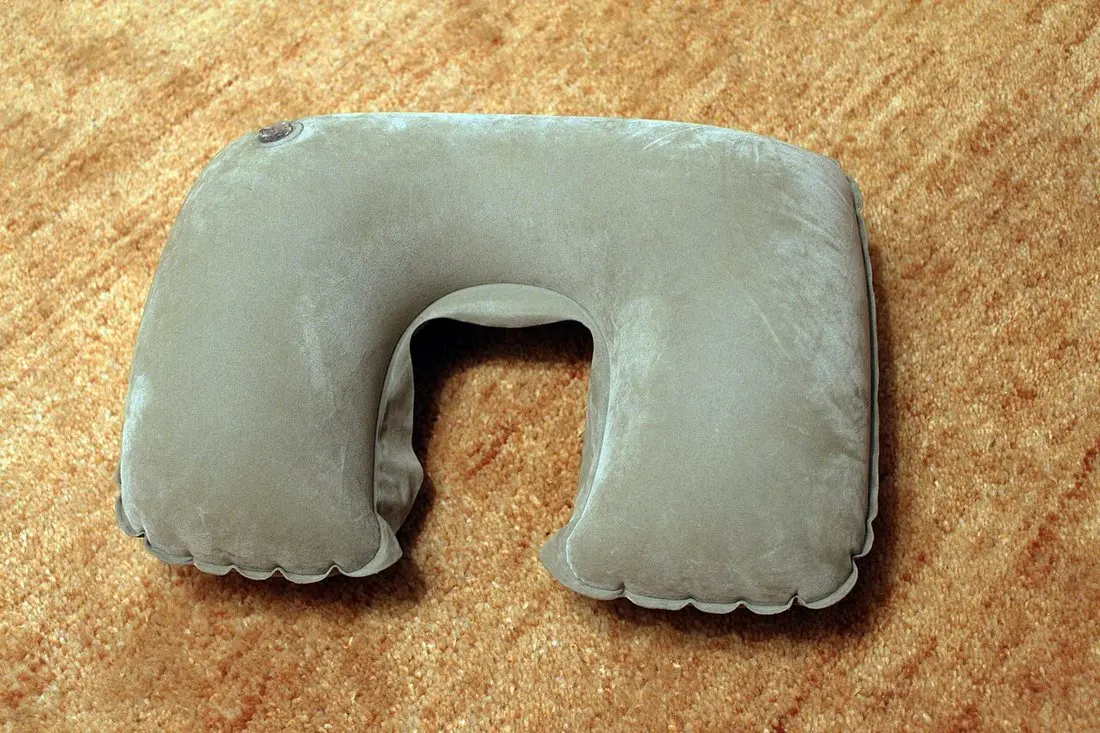
A piercing pillow keeps pressure off a healing ear piercing while you sleep. The Association of Professional Piercers (APP) says sleeping directly on a healing cartilage piercing can cause irritation and even shift the piercing’s angle. Its suggestion is simple: place a travel pillow on top of your pillow, and put your ear in the opening.
What the APP says
The APP’s aftercare advice includes two points:
- The problem. Sleeping directly on a healing cartilage piercing can cause irritation, and can even shift the piercing’s angle.
- The fix. Place a travel pillow on top of your pillow, and then place your ear in the opening.
In practice that means a U-shaped travel pillow, with the gap where your ear goes. The APP names an ordinary travel pillow, so you do not need a special product.
How to use one
This is our summary of the APP’s suggestion.
- Lay the travel pillow on top of your normal pillow, with the opening where your ear will be.
- Lie on your side with the healing ear in the opening, so nothing presses on it.
- Check in the morning that the piercing is not being pressed against the pillow or the mattress.
If you have healing piercings on both ears, the opening keeps whichever ear is down clear.
Rowan’s Piercing Pillow
Rowan’s aftercare page lists no sleeping on your new piercing without a Piercing Pillow. The page we read does not describe it or compare it with an ordinary travel pillow. See Rowan ear piercing for what else Rowan says.
Which piercings
The APP’s advice is about cartilage piercings. That is the helix, conch, tragus, daith, rook and industrial, among others. An earlobe is soft tissue and heals in weeks, and the APP advice we cite does not address it.
How long
For the whole healing period. The Cleveland Clinic says cartilage may take up to six months or a year to fully heal, and gives six to twelve months for helix, conch, tragus, daith and rook. Our guides give 24 to 52 weeks for most cartilage placements. The APP warns that a piercing may seem healed before the healing process is actually complete, so do not stop the moment it stops hurting. Cartilage piercing healing time compares every placement.
The rest of the routine
A pillow is one part of keeping a piercing calm. The APP’s aftercare advice is also to avoid friction and pressure from clothing, excessive motion of the area, playing with the jewelry and vigorous cleaning, and to leave the initial jewelry in place for the entire healing process unless there is a problem with its size, style or material. Piercing aftercare covers the routine, and how to clean an ear piercing covers cleaning.
If it has already been pressed
If a cartilage piercing has been slept on and is sore, keep the pressure off it. The APP says to see a doctor if you have severe redness, swelling or pain, or if symptoms last for a week or get worse. Cartilage piercing bumps covers lumps, and irritated or infected piercing has a symptom table.
Not medical advice
This page is educational. If a piercing is hot, has spreading redness, thick coloured discharge or red streaks, or you feel unwell, see a doctor the same day.
Frequently asked questions
What is a piercing pillow?
A pillow used to keep pressure off a healing ear piercing while you sleep. The Association of Professional Piercers (APP) suggests placing a travel pillow on top of your pillow and putting your ear in the opening. Rowan's aftercare page names a Piercing Pillow, without describing it.
Do I need one?
You need a way to avoid sleeping directly on a healing cartilage piercing. The APP says doing so can cause irritation and even shift the piercing's angle, and a pillow with an opening is the one method it names. You do not have to buy a special product, since it suggests an ordinary travel pillow.
How long should I use it?
For the whole healing period. The Cleveland Clinic says cartilage may take up to six months or a year to fully heal, and gives six to twelve months for helix, conch, tragus, daith and rook. The APP warns that a piercing may seem healed before the healing process is actually complete.
Which piercings need one?
The APP's advice is about cartilage piercings, so the helix, conch, tragus, daith, rook and industrial are the ones that matter. An earlobe is soft tissue and heals faster, and the APP advice we cite does not address it.
Can I just sleep on my other side?
That avoids pressure on the piercing, if you stay on that side. If you have healing piercings on both ears, or you move around at night, the APP's travel pillow suggestion keeps the ear clear whichever way you turn.
Does Rowan say I must use one?
Rowan's aftercare page lists no sleeping on your new piercing without a Piercing Pillow. The page we read does not describe it or compare it with a travel pillow. The APP's suggestion is a travel pillow on top of your pillow, with the ear in the opening.
Sources
- Association of Professional Piercers - Suggested aftercare for body piercingshttps://safepiercing.org/aftercare/
- Cleveland Clinic - Ear piercing 101: healing, hurting, cleaning and morehttps://health.clevelandclinic.org/what-to-expect-when-getting-your-ears-pierced
- Rowan - Aftercarehttps://heyrowan.com/pages/care-after
This article is for education only and is not medical advice. If a piercing is hot, swollen, spreading redness, oozing yellow or green discharge, or you have a fever, see a doctor today.