On this page
A piercing infection is not something to wait out. The steps are short: leave the jewelry in, keep it clean with saline, and get it seen by a doctor. This page explains each, and the mistakes that turn a treatable infection into a bigger problem.
First, be sure it is an infection and not irritation. Irritated or infected piercing has a symptom table. If the signs point to infection, or you cannot tell, treat it as infection.
What to do now
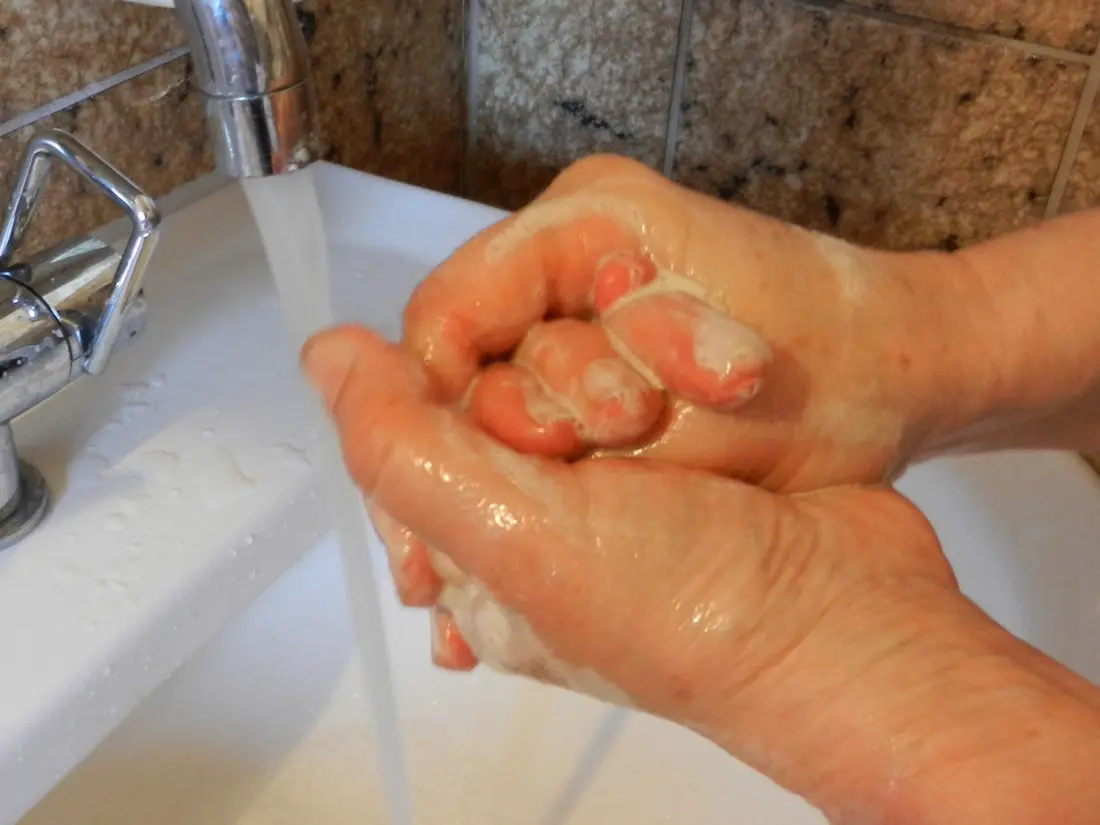
- Wash your hands before touching it, and only touch it to clean it.
- Leave the jewelry in. The NHS says to leave your jewellery in unless a doctor tells you to take it out.
- Clean it with sterile saline, and pat it dry with clean disposable gauze. The NHS suggests warm, salty water to soften crusting. The Association of Professional Piercers (APP) no longer suggests mixing your own sea salt solution, because it commonly ends up far too salty and strong, so sterile saline is the safer choice. See piercing aftercare products.
- Get medical care. The NHS advises an urgent GP appointment or NHS 111. In the US, see a doctor or urgent care promptly. The Cleveland Clinic names a primary care physician, a dermatologist or an urgent care facility.
- Leave it alone. The NHS advises against picking at crusting, and squeezing does no good either.
Why the jewelry stays in
It is the natural instinct to take it out, and it is a mistake. The jewelry holds the channel open, and an open channel drains. The APP explains that removing jewelry in the presence of an infection may result in an abscess, so quality jewelry or a retainer of an appropriate size, style and material should be left in place so the infection can drain.
Tell the doctor the jewelry is in. The APP’s aftercare advice is to discuss with your physician whether quality jewelry or an appropriate substitute should stay in place, so the decision is theirs, not yours.
What a doctor may do
- Look at it and decide whether it is infected.
- Prescribe antibiotics. The NHS says this can be a cream, an ointment or tablets, depending on the infection.
- Advise on the jewelry, including whether it stays in.
Follow their instructions on how to take any medicine, and for how long.
What not to do
- Do not remove the jewelry yourself. See above.
- Do not use alcohol, hydrogen peroxide, iodine or antibacterial soap. The APP advises avoiding all of them, along with any harsh products, because they can damage cells.
- Do not put ointment on it yourself. The APP says ointments prevent the air circulation a piercing needs. That is different from an antibiotic a doctor prescribes for a specific infection.
- Do not add home remedies. The APP’s advice is sterile saline and nothing harsh.
- Do not pick at it or squeeze it.
- Do not submerge it. The APP says to avoid submerging a healing piercing in lakes, pools, oceans and hot tubs, and its oral aftercare adds the bathtub. See swimming with a new piercing.
- Do not wait to see if it goes away. The NHS advises an urgent appointment if you think it might be infected.
Some piercings are more serious
- Cartilage. Infected ear piercing covers why cartilage infections need particular care.
- Oral piercings. The APP says if you suspect an infection, seek medical attention.
- Nipple. See infected nipple piercing for the extra risks.
- Nose. See infected nose piercing.
- Belly button. See infected belly button piercing.
After the infection
Once the doctor has treated it, go back to the basic routine: sterile saline, hands off, and nothing else. Ask your piercer to check that the jewelry is the right length for your anatomy, which the APP says initial jewelry must be. Piercing downsizing explains when a shorter post is needed.
How to prevent the next one
- Wash your hands before you touch it.
- Keep it out of pools, hot tubs, lakes and the sea, or cover it with a waterproof transparent film dressing, which the APP allows as an alternative.
- Use jewelry that meets the APP standard, at the right length.
- Keep products off it.
- Do not change the jewelry before it has healed, apart from a downsize by a piercer.
- Choose a piercer with a sterile setup. See how to choose a piercer.
Not medical advice
This page is educational. If a piercing is hot, has spreading redness, thick coloured discharge or red streaks, or you have a fever or feel unwell, see a doctor the same day.
Frequently asked questions
Can I treat an infected piercing at home?
You can look after it while you arrange care, but an infection needs a doctor. Keep the jewelry in, keep cleaning it with sterile saline and do not touch it otherwise. The NHS advises an urgent GP appointment or NHS 111 if you think your piercing might be infected. In the US, see a doctor or an urgent care clinic promptly.
Should I take the jewelry out of an infected piercing?
No, unless a doctor tells you to. The NHS says to leave your jewellery in unless a doctor tells you to take it out, and the Association of Professional Piercers (APP) warns that removing it may result in an abscess. The jewelry keeps the channel open so the infection can drain.
What ointment should I use on an infected piercing?
None that you choose yourself. The APP says ointments prevent the air circulation a piercing needs. A doctor may prescribe an antibiotic cream, ointment or tablets, according to the NHS, and that is a decision for the doctor after looking at the infection.
Do I need antibiotics for an infected piercing?
You may. The NHS says you may need antibiotics if your piercing is infected, given as a cream, an ointment or tablets. Follow the doctor's instructions on how to take them and for how long.
How long does an infected piercing take to clear?
There is no fixed time. It depends on the infection and how early it is treated, and a doctor can tell you what to expect. The APP warns that removing the jewelry from an infected piercing may result in an abscess, so keep it in unless a doctor says otherwise.
When is an infected piercing an emergency?
See a doctor the same day if you have a fever or feel generally unwell, red streaks coming from the piercing, a large amount of thick, foul-smelling discharge, or severe redness, swelling or pain. The APP lists the last three as reasons to see a doctor immediately, and the NHS lists feeling hot, cold, shivery or generally unwell among the signs of infection. If you cannot reach a doctor, go to urgent care or the emergency room.
Sources
- NHS - Infected piercingshttps://www.nhs.uk/conditions/infected-piercings/
- Association of Professional Piercers - Troubleshootinghttps://safepiercing.org/troubleshooting/
- Association of Professional Piercers - Suggested aftercare for body piercingshttps://safepiercing.org/aftercare/
- Association of Professional Piercers - Oral aftercarehttps://safepiercing.org/oral-aftercare/
- Cleveland Clinic - Ear piercing 101: healing, hurting, cleaning and morehttps://health.clevelandclinic.org/what-to-expect-when-getting-your-ears-pierced
This article is for education only and is not medical advice. If a piercing is hot, swollen, spreading redness, oozing yellow or green discharge, or you have a fever, see a doctor today.